
A structured start before pricing and operations, so the service scope is clear from day one.
We do not begin with a quick price and discover the details later. We first understand your products, order flow, sales channels, packaging requirements, and receiving method; then we turn that into an operating plan that can be executed and measured.
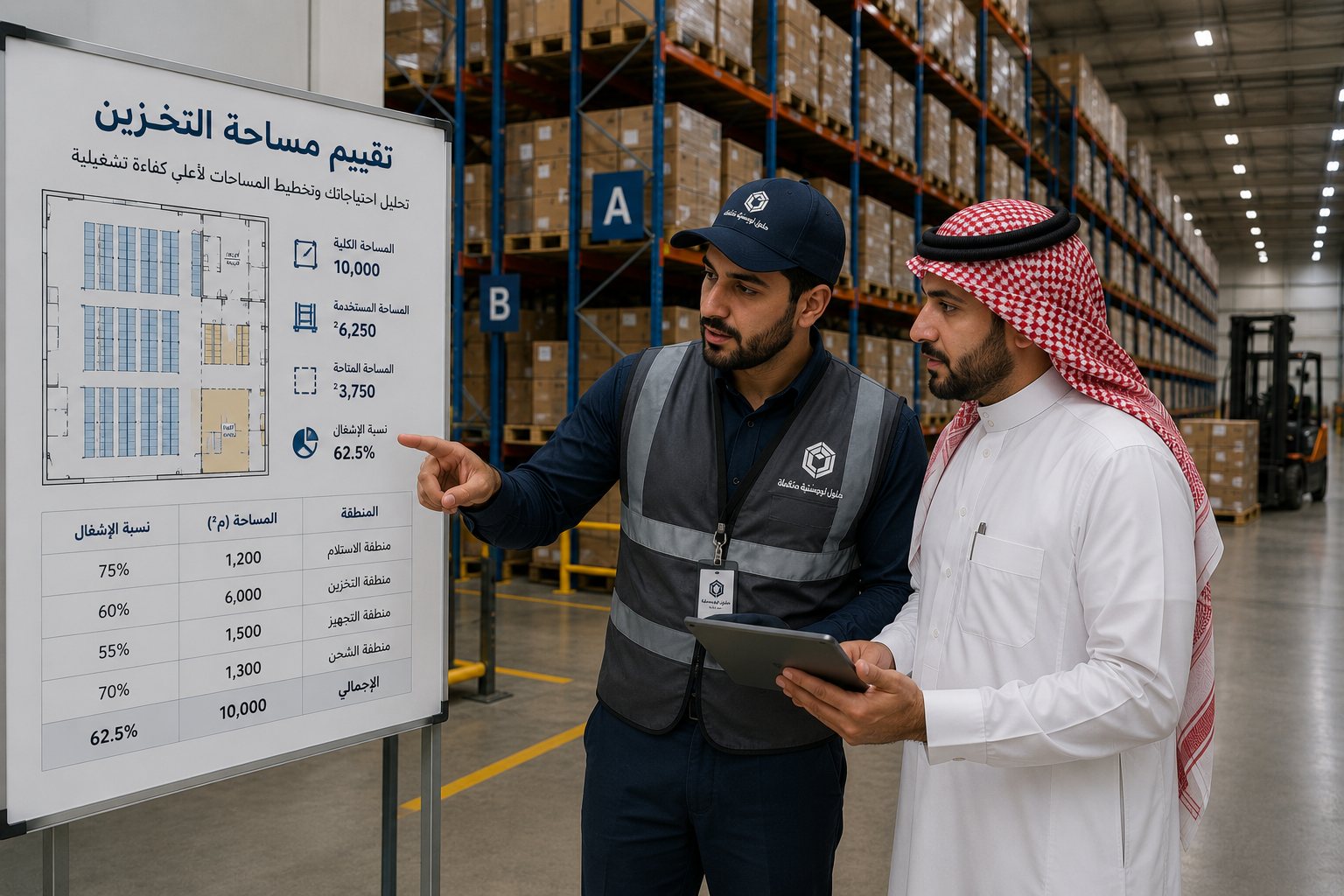
What do we clarify before launch?
A good price means little when it is based on incomplete information.
The goal of the starting phase is to reduce surprises before goods enter the warehouse: how much space is needed, what type of SKUs are involved, what fulfillment rules apply, how returns are handled, and when the operation is ready to scale.
Inventory clarity
SKUs, sizes, quantities, and movement frequency.
Process design
From receiving to storage, fulfillment, shipping, and returns.
Early measurement
A few clear indicators instead of random follow-up.
Five practical stages before stable operations.
Each stage has clear outputs, so you know what is needed from your side and what we prepare before moving forward.
Short discovery session
We review your business type, order volume, product nature, current challenges, and operating priorities.
Basic data collection
We ask only for targeted data: products, average orders, channels, packaging, returns, and any special requirements.
Scope and cost evaluation
We define the required services, expected space, handling method, risk points, and assumptions behind the offer.
Receiving and pilot plan
We organize inbound receiving, coding, storage locations, fulfillment rules, and sales-channel or operating-file links.
Pilot operation and first measurement
We begin with an appropriate operating volume, watch accuracy, speed, and blockers, then stabilize adjustments before scaling.
We ask for the information that truly affects operations or pricing.
We do not need everything on day one. We need what helps us understand workload size, complexity level, and the most suitable starting point.
Products and inventory
- Number of SKUs and expected quantities
- Sizes, weights, and storage requirements
- Fragile or sensitive products
Orders and channels
- Average daily or monthly orders
- Current sales channels and platforms
- Peak periods and important seasons
Packaging and fulfillment
- Required packaging type
- Bundles, kits, or product assembly
- Cards, labels, or special inserts
Distribution and shipping
- Shipping carriers currently used
- Target cities or delivery areas
- Delivery or handling requirements
Returns and exchanges
- Approximate return rate
- Inspection and classification method
- Restock or isolate decision rules
Special requirements
- Quality or documentation requirements
- Campaign or launch dates
- Required reports or indicators
We turn the conversation into an operating document you can refer back to.
Before goods start entering the warehouse, expectations should be clear on both sides: what we will provide, what is outside scope, how performance will be measured, and when the plan should be reviewed.
Clear service scope
Included services, exclusions, and core assumptions.
Understandable pricing basis
Why pricing changes by space, movement, complexity, or season.
Short launch plan
Steps, responsibilities, and what must be ready before receiving.
Follow-up metrics
A few operational indicators that make performance readable.
We measure the start before scaling operations.
After the first receiving cycle, we do not assume everything is stable immediately. We track early indicators, adjust details, then gradually move into steadier operations.
Share your current data, and we will turn it into an executable starting point.
Your data does not need to be perfect. It only needs to give us a clear view of products, orders, and current challenges so we can shape the right operating plan.